Unlike Prehistoric knives made of crude flint, today’s kitchen knives are a complex and intricate art. Learning about kitchen knife steels is a complicated and rewarding endeavor that will have you learning new things every day. What’s more, learning the basics is essential to making informed kitchen knife purchases and becoming a better cook. Let’s get our feet wet by talking about the basic differences between Japanese and Western steel:
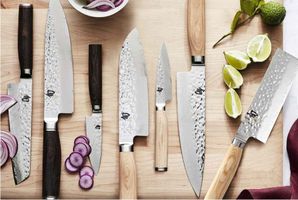
Japanese Steel: Most people recognize
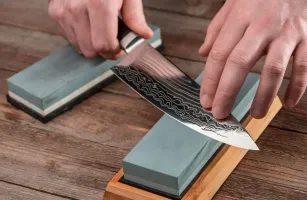
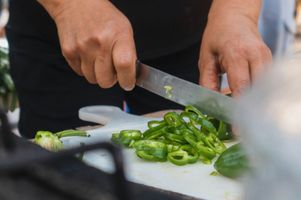
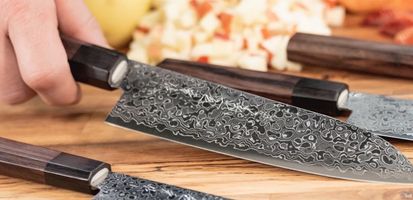
Japanese steel by its characteristic Damascus patterning, but there’s a lot more to it than aesthetics. Japanese steel is thin, sharp, and perfect for tasks that require precision, like thinly slicing onions or cutting through delicate fish. On the flip side, Japanese steel can be brittle and sensitive, so it’s best to avoid using it for heavy-duty tasks that could cause chips.
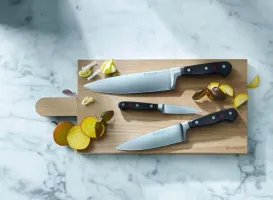
Western Steel: Western steel kitchen knives aren’t as sharp as their Japanese counterparts, but they make up for it in their toughness. These knives feature thicker blades that are up to the task of slicing big cuts of meat, spatchcocking poultry, and working around bones.
Knowing the difference between Western and Japanese steel is an important first step to making more informed choices in your kitchen. We usually recommend building a kitchen knife collection with a combination of Japanese and Western pieces to add variety to the tasks your knives can perform. To learn more about kitchen knives, check out our blog and Instagram.